
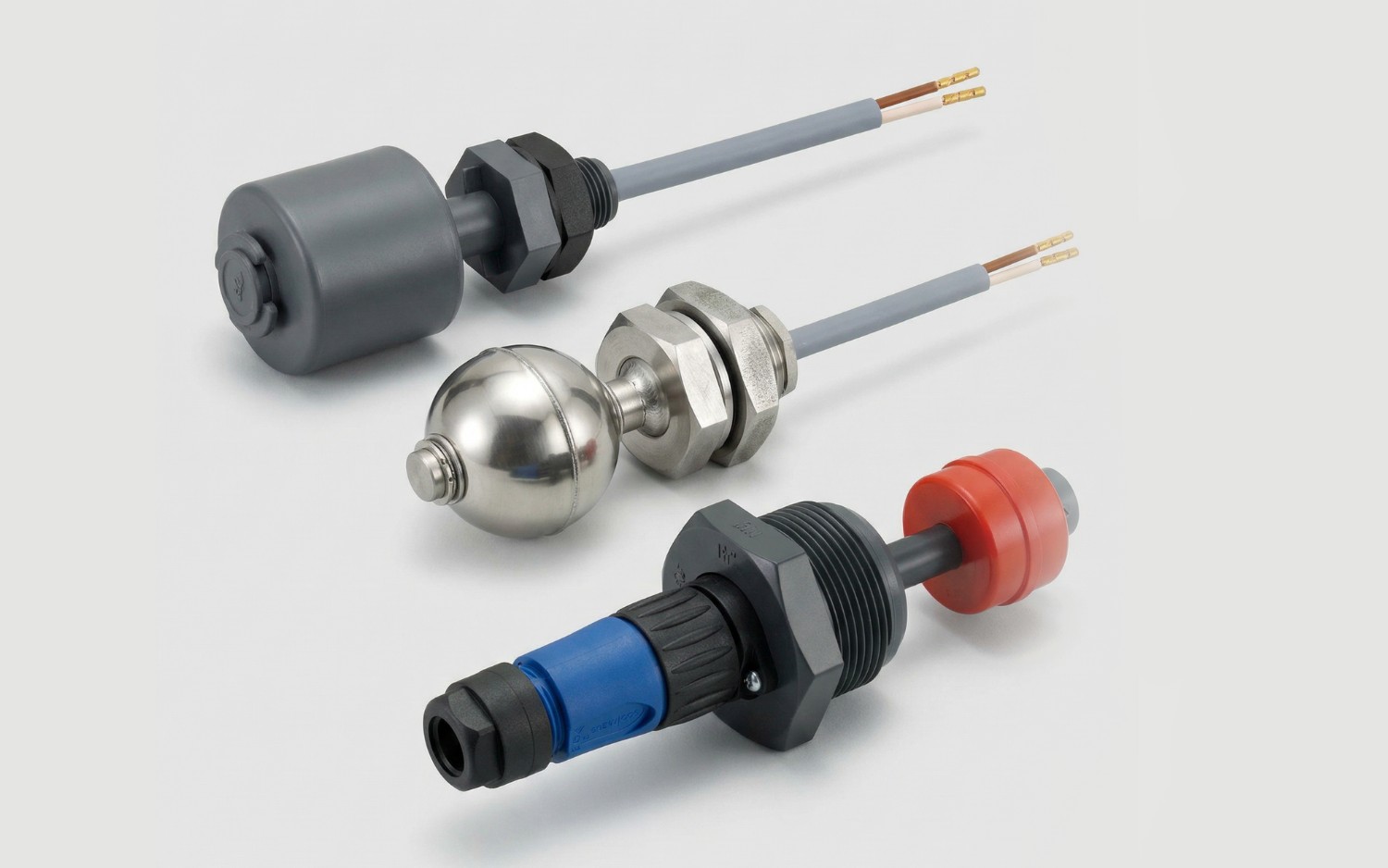
Materials and Chemical Resistance for Float Switches
Choosing the right material is crucial for the service life and process reliability of float switches and level sensors. As a manufacturer, hlm elektronik offers various metal, plastic, and elastomer versions – tailored to the medium, temperature, and application. Made in Germany, starting from a quantity of 1.
In industrial level sensing technology, the choice of material significantly determines how reliably a solution will function in its later application. Whether water, chemicals, cleaning media, oils, or special media: the medium, temperature, corrosion behavior, mechanical stress, and cost-effectiveness influence which material design is appropriate.
As part of its modular principle, hlm elektronik offers different material options for float switches and level sensors. This page serves as an initial guide and shows which materials are typically used – including temperature notes and typical fields of application.
Quick access to the desired material

Important Note
All information regarding materials and chemical resistance on this page is for non-binding guidance only. It does not replace the testing of the specific application case by the user or plant operator. A binding assessment is only possible by taking all operating and environmental conditions into account.
You can find a supplementary overview in our chemical resistance list in the download area.
For detailed testing, we always recommend a comparison with the specific application data and media parameters.

Personal Advice on Material Selection
Are you unsure which material is suitable for your medium? We support you with an initial assessment based on your application. For a sound evaluation, the following information is generally required:
Medium / Substance name | Concentration | Temperature range | Installation situation | Special stresses, e.g., pressure, contamination, or cleaning
Overview of Materials
The following material groups are frequently used for float switches and level sensors depending on the medium and application. They differ, among other things, in chemical resistance, mechanical strength, and typical areas of use: metals (stainless steel, brass), plastics (PP, PVC, PVDF), and elastomers (NBR).
Stainless Steel Solutions
Stainless steel is often used when corrosion resistance, mechanical stability, and a robust design are required.
Depending on the application, different stainless steel variants may be considered.
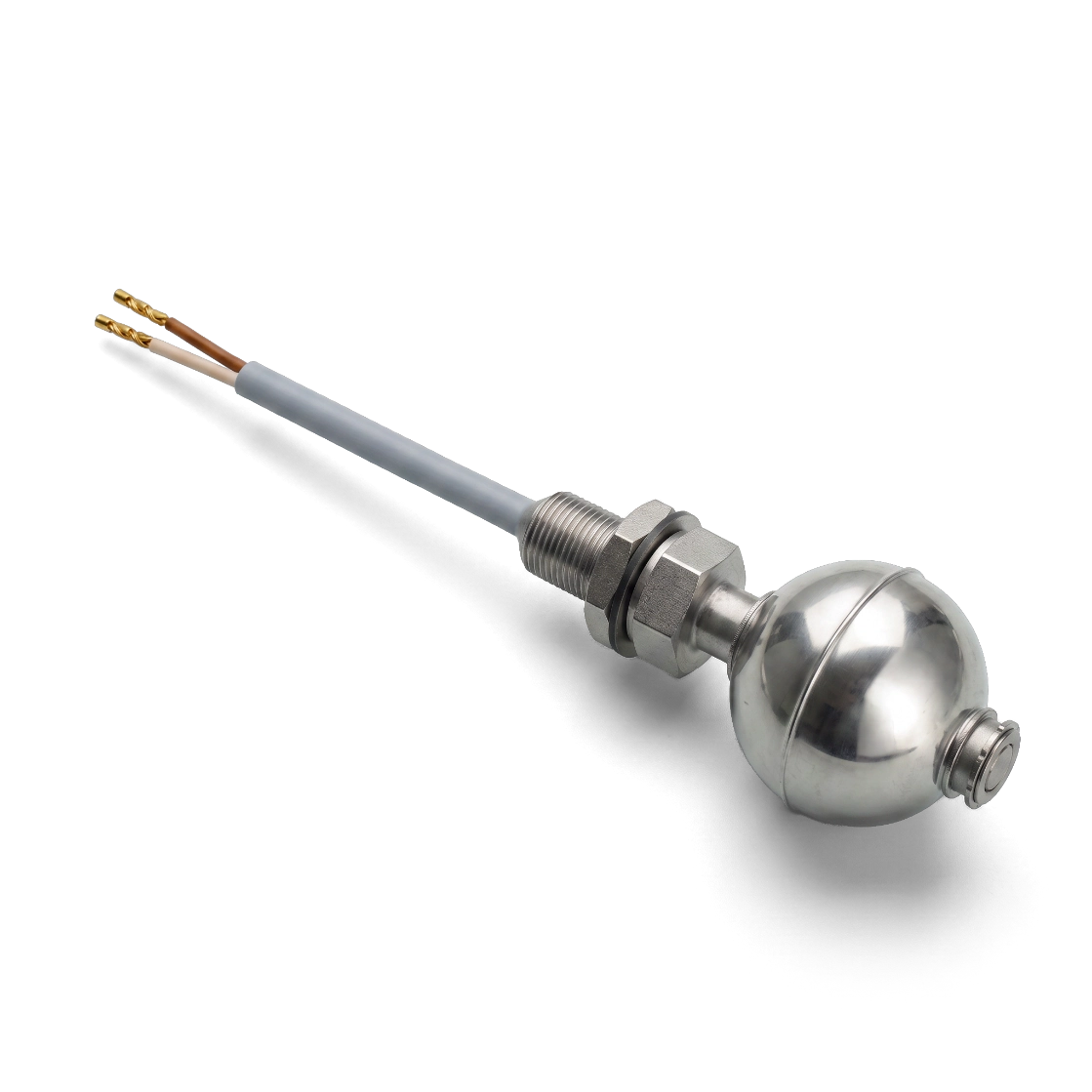
Stainless Steel 1.4571 (V4A)
Stainless steel 1.4571 is an austenitic CrNiMo steel with titanium stabilization. It is considered particularly resistant to corrosion from chloride-containing media, acids, and alkalis, and is the preferred stainless steel for more demanding industrial applications.
Typical operating temperature range: up to +150°C.
Typical applications:
- Industrial and process engineering
- Water and environmental technology
- Hygiene-related applications
- Demanding media environments
Material classification: 1.4571 is considered a particularly robust and corrosion-resistant stainless steel in many applications. Especially with chloride-containing media, acids, and corrosively demanding environments, it is the more reliable choice compared to 1.4305.
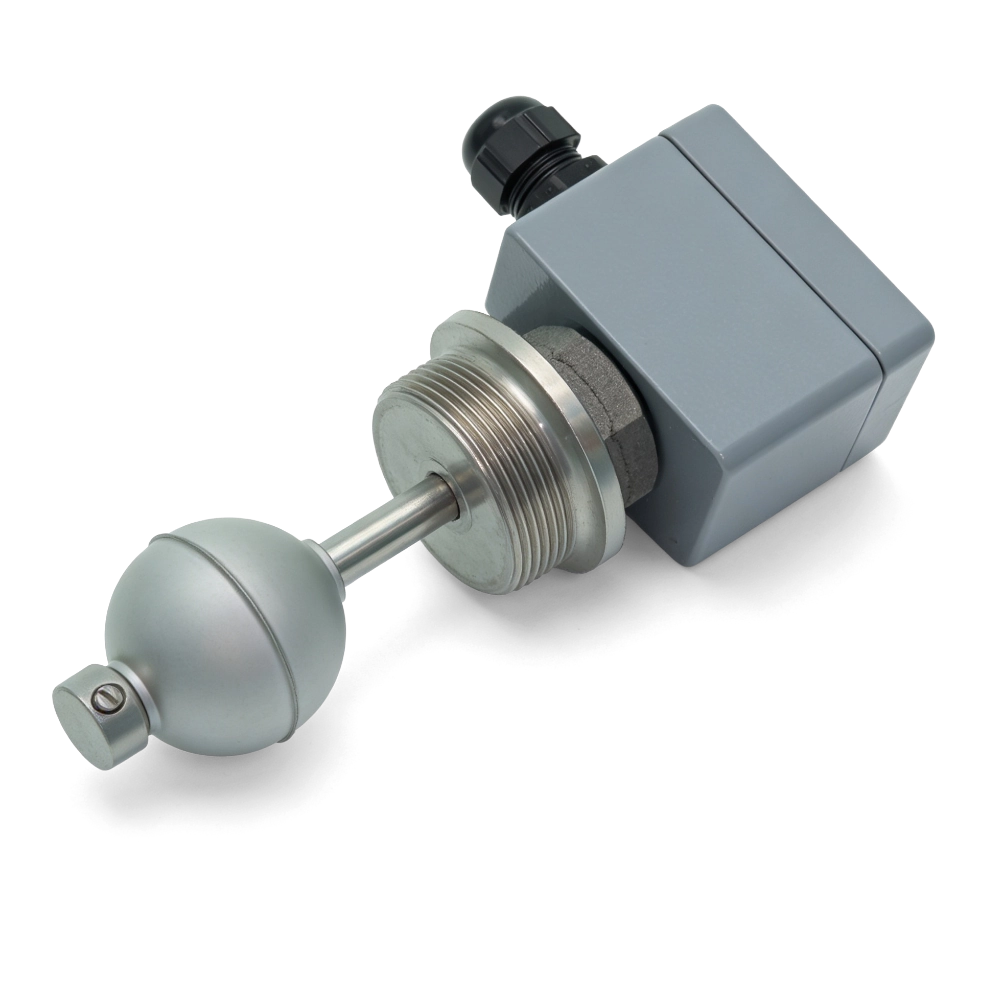
Stainless Steel 1.4305 (V2A)
Stainless steel 1.4305 is an austenitic free-cutting steel with good mechanical properties. Depending on the application, it can be an economically attractive stainless steel solution and is primarily used where good mechanical properties and an economical design are the priority.
Typical operating temperature range: up to +150°C
Typical applications:
- Standard technical applications
- Less corrosion-critical environments
- Economically oriented stainless steel solutions
Material classification: 1.4305 can be a sensible stainless steel option for certain applications, but it is not equally suitable for every corrosion case. For corrosion-relevant applications – particularly with chloride-containing media – 1.4571 should be preferred.
Non-ferrous Metals
Non-ferrous metals are often used where robust, proven, and economical solutions are required. In the field of float switches, brass in particular plays an important role.
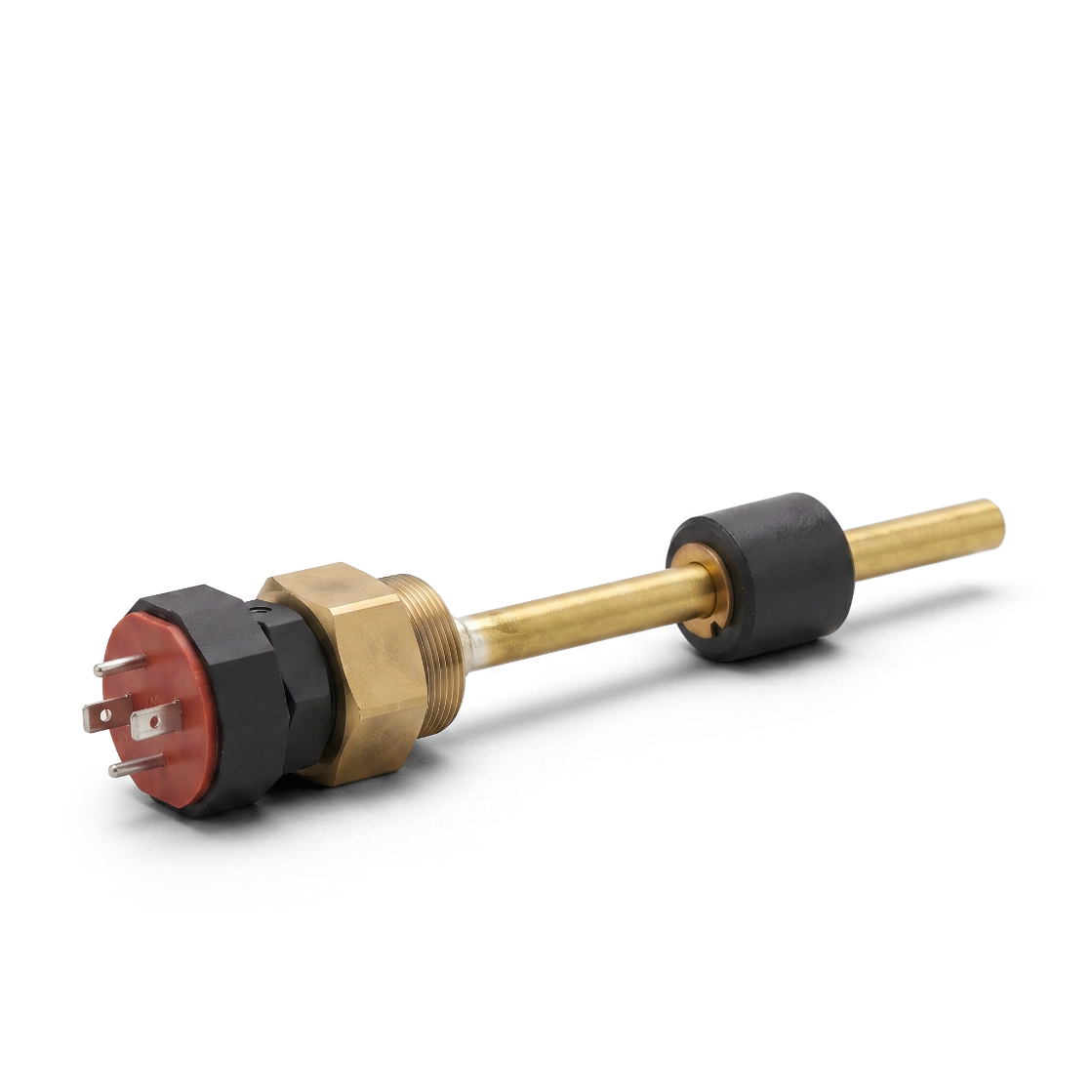
Brass
Brass is a copper-zinc alloy (e.g., 2.0401 or 2.0321, depending on the version) and a classic mechanical engineering material frequently used in technically proven applications.
Typical operating temperature range: up to +150°C
Typical applications:
- Mechanical and plant engineering
- Hydraulic systems
- Oil and lubricant applications
- Standard technical applications
Material classification: Brass is often used where mechanical robustness and proven technology are required. The material is particularly established in hydraulic and oil environments. However, for chemically or corrosively demanding media – especially environments containing ammonia or acids – brass is not suitable and should be replaced by stainless steel or plastic.
Plastic Solutions
Plastics are often used where chemical resistance, low weight, or economical solutions are required. Depending on the medium and operating conditions, different plastic materials may be considered.
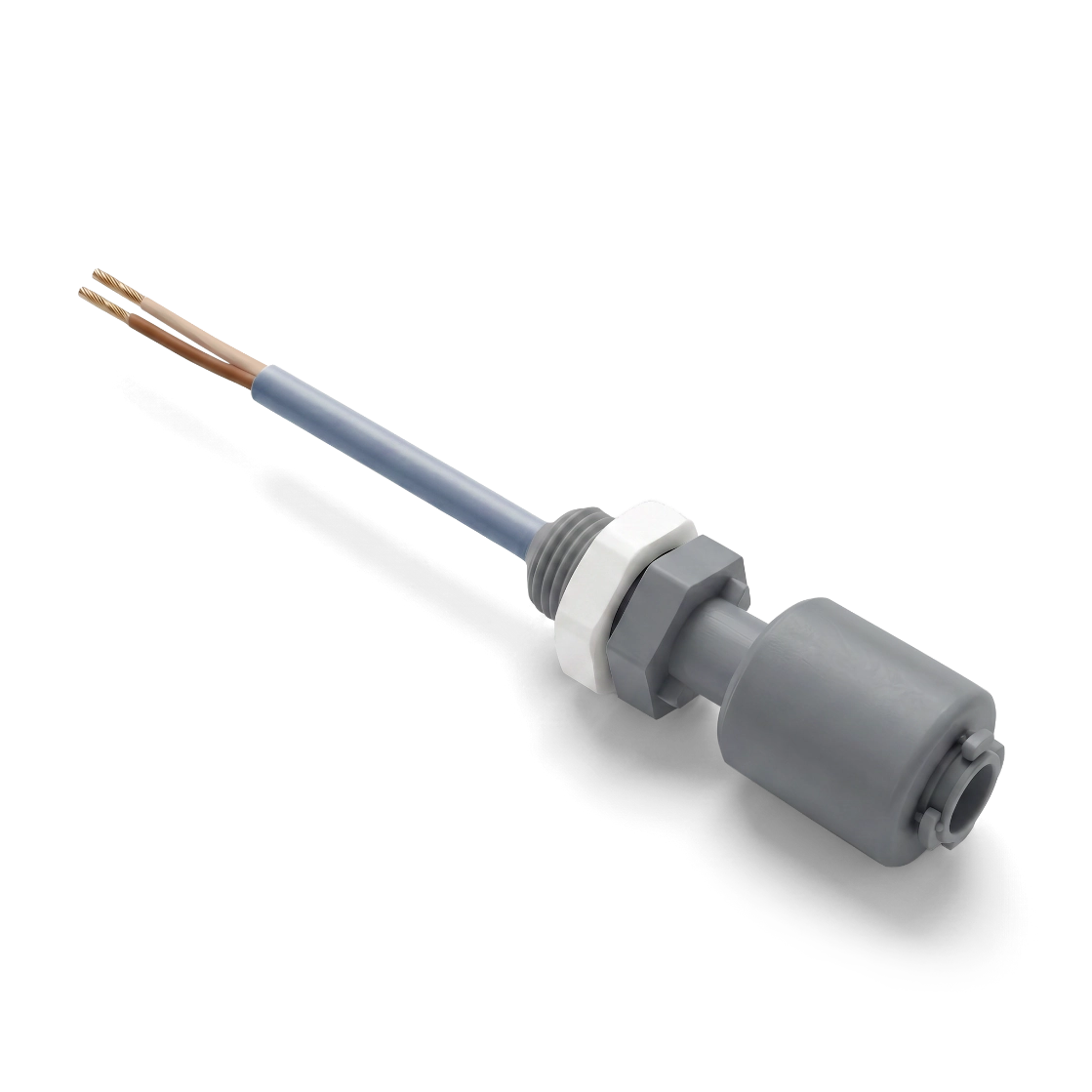
PP (Polypropylene)
PP is a versatile thermoplastic with good chemical resistance to most aqueous media, inorganic acids, and alkalis. It is often used where a good balance of technical suitability, chemical resistance, and cost-effectiveness is required.
Typical operating temperature range: up to +100°C
Typical applications:
- Water treatment
- Cleaning systems
- Laboratory technology
- Applications with acids and alkalis depending on the case
Material classification: PP is frequently used for many aqueous media as well as in applications with chemical exposure. However, PP is not resistant to aromatic and chlorinated solvents – in these cases, PVDF is the more suitable choice.
PVC (Polyvinyl Chloride)
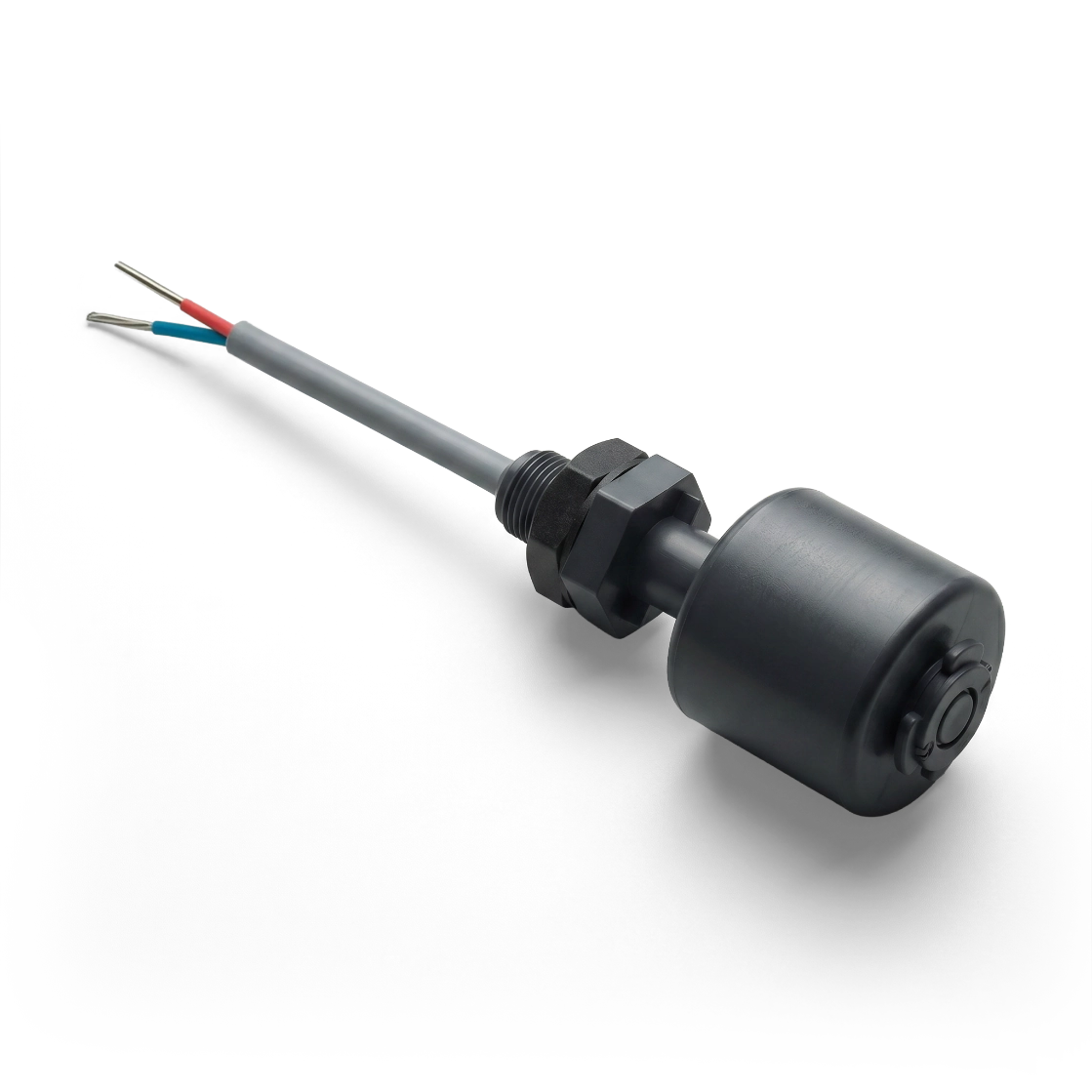
PVC is a proven material with good resistance to many acids, alkalis, and salt solutions, frequently used in water-related applications.
Typical operating temperature range: up to +60°C
Typical applications:
- Water technology
- Swimming pool and pool technology
- Irrigation technology
- Simple water-bearing systems
Material classification: PVC is often used in water applications and many aqueous environments. PVC is sensitive to solvents; furthermore, its temperature resistance is limited, which should be taken into account during selection.
PVDF (Polyvinylidene Fluoride)
PVDF is a high-performance plastic from the fluoropolymer family for particularly demanding chemical applications. It is chosen when high chemical resistance and a robust plastic solution are required.
Typical operating temperature range: up to +150°C
Typical applications:
- Dosing technology with aggressive media
- Chemical-related applications
- Process engineering
- Laboratory and special applications
Material classification: PVDF is used for high chemical requirements and is often the most suitable plastic option, especially for demanding media such as acids, alkalis, and solvents. The higher temperature resistance compared to PP and PVC also makes PVDF interesting for thermally stressed applications.
Elastomers
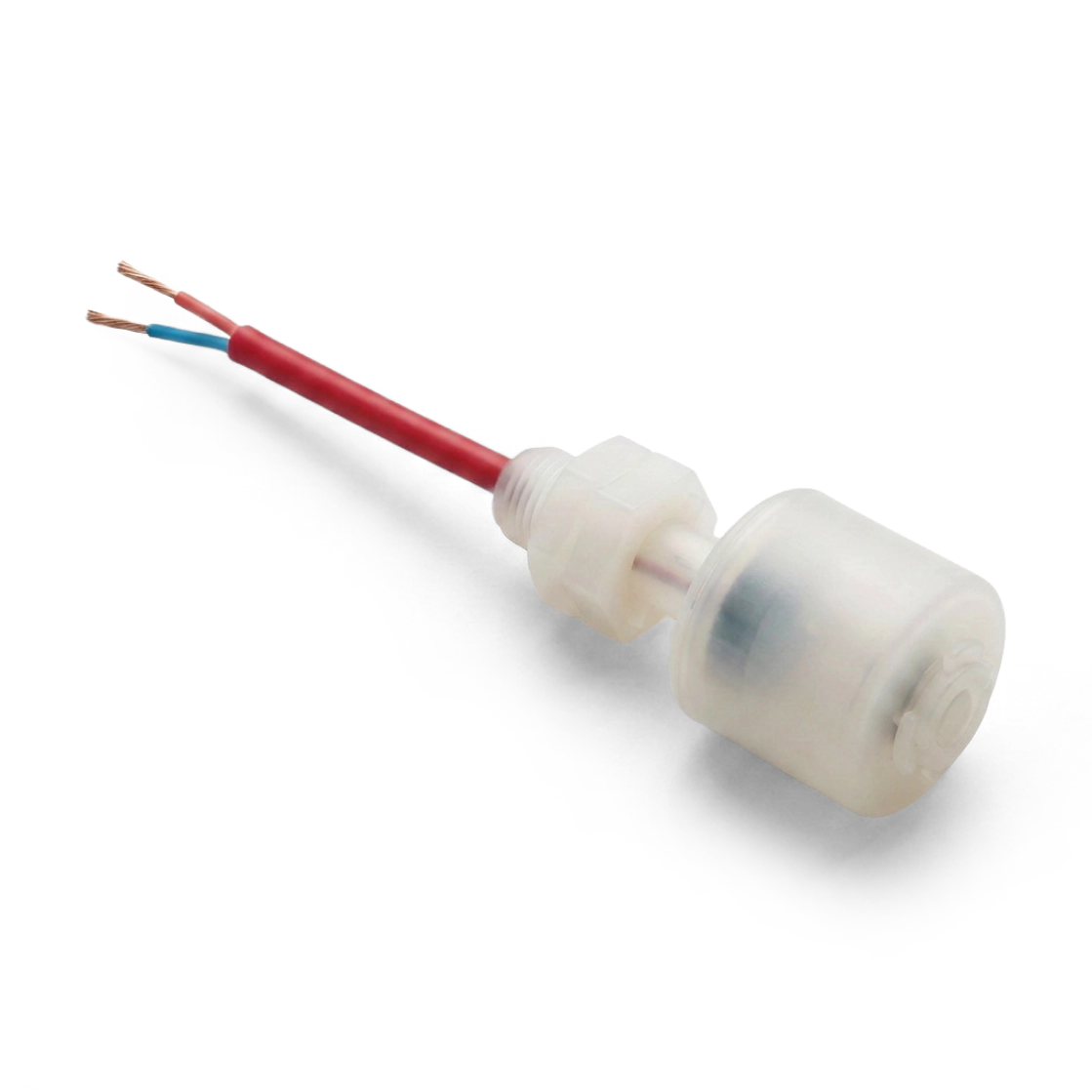
Elastomers are synthetic rubber materials with rubber-elastic properties – they are flexible, dimensionally stable under pressure, and remain functional even under mechanical stress. In the field of float switches, elastomers are used as the material for float bodies: due to their very low bulk density, they provide reliable buoyancy – and maintain this even if the surface of the float body is damaged, as the material has a closed-cell structure.
This fundamentally distinguishes elastomers from plastics such as PP or PVDF and makes them an independent material category in the hlm modular system.
NBR (Nitrile Rubber / Acrylonitrile Butadiene Rubber)
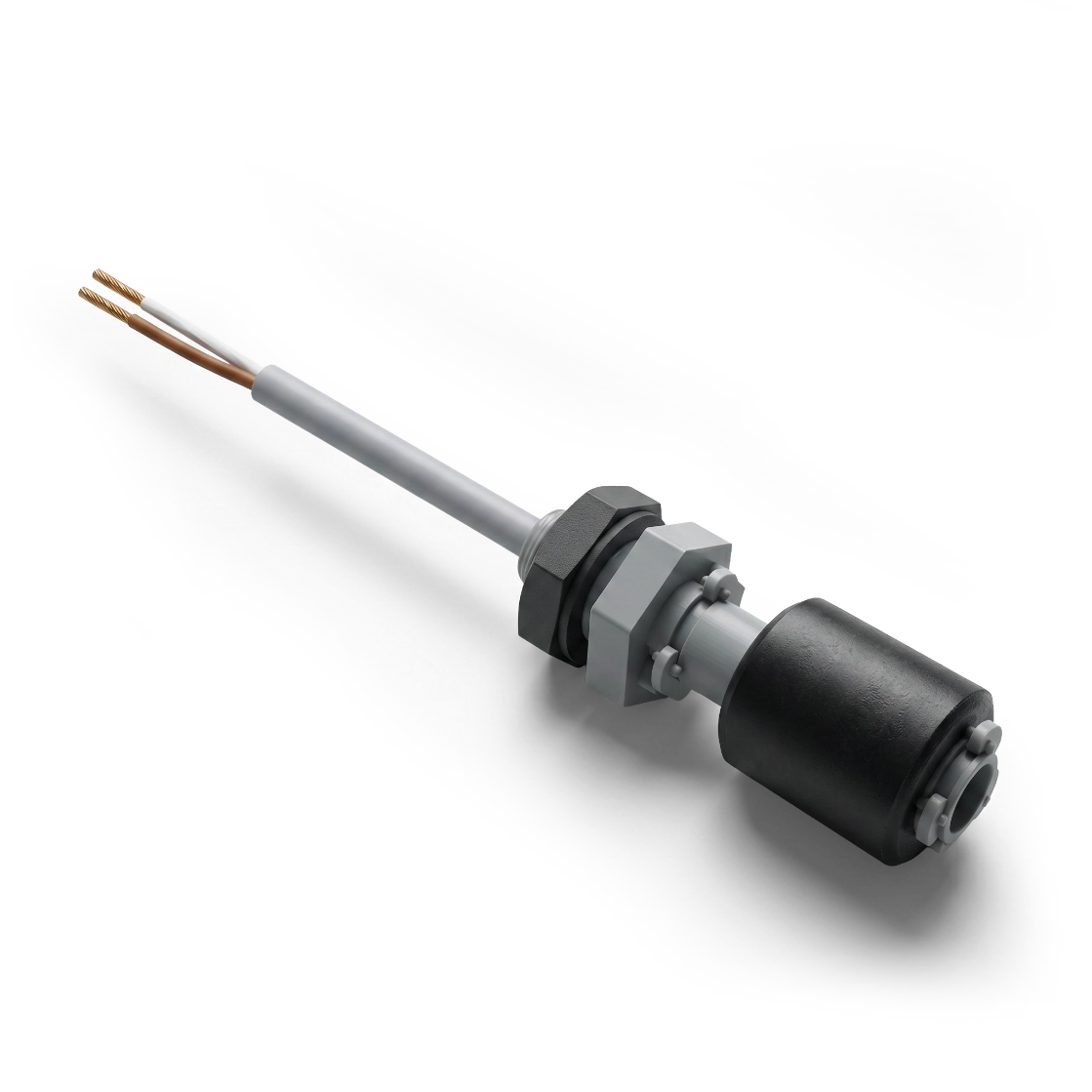
NBR (Nitrile Butadiene Rubber) is a synthetic rubber with particularly good resistance to mineral oils, fuels, hydraulic oils, and many greases. In float switches from hlm elektronik, NBR is used as a closed-cell foam material for float bodies: the closed-cell structure ensures that the float retains its buoyancy even in the event of surface injuries and reliably fulfills its function. Typical operating temperature range: up to +100°C.
Typical applications:
- Oil and lubricant applications
- Fuel tanks and diesel applications
- Hydraulic systems
- Mechanical and plant engineering with oily media
Material classification: NBR is characterized by its good resistance to mineral oils, fuels, hydraulic oils, as well as many greases and aliphatic hydrocarbons. However, NBR has only limited resistance to aromatic solvents, ketones, strong acids, alkalis, as well as ozone and permanent UV radiation. For chemically particularly demanding media, other materials are therefore the more suitable choice.
Material Options at a Quick Glance
The choice of material is always application-based. The specified maximum temperature ranges refer to the complete float switch in the respective material version:
| Werkstoff | Temperatur | Stärke | Typisches Medium | Grenzen |
|---|---|---|---|---|
| 1.4571 (V4A) | bis +150°C | Korrosionsbeständigkeit | Chemikalien, Chloride, Säuren | Anwendungsspezifisch |
| 1.4305 (V2A) | bis +150°C | Wirtschaftlichkeit | Standardanwendungen | Nicht für Chloride/Säuren |
| Messing | bis +150°C | Mech. Robustheit | Hydraulik, Öl | Nicht für Ammoniak/Säuren |
| PP | bis +100°C | Vielseitigkeit | Wässrige Medien, Säuren | Nicht für Lösungsmittel |
| PVC | bis +60°C | Wirtschaftlichkeit | Wasser, Salzlösungen | Nicht für Lösungsmittel |
| PVDF | bis +150°C | Chem. Beständigkeit | Säuren, Laugen, Lösungsmittel | Kostenintensiver |
| NBR | bis +100°C | Öl- und Kraftstoffbeständigkeit | Öle, Kraftstoffe, Hydraulikmedien | Nicht für starke Säuren, Laugen, UV/Ozon |
| Werkstoff | Temperatur | Stärke | Typisches Medium | Grenzen |
|---|---|---|---|---|
| 1.4571 (V4A) | bis +150°C | Korrosionsbeständigkeit | Chemikalien, Chloride, Säuren | Anwendungsspezifisch |
| 1.4305 (V2A) | bis +150°C | Wirtschaftlichkeit | Standardanwendungen | Nicht für Chloride/Säuren |
| Messing | bis +150°C | Mech. Robustheit | Hydraulik, Öl | Nicht für Ammoniak/Säuren |
| PP | bis +100°C | Vielseitigkeit | Wässrige Medien, Säuren | Nicht für Lösungsmittel |
| PVC | bis +60°C | Wirtschaftlichkeit | Wasser, Salzlösungen | Nicht für Lösungsmittel |
| PVDF | bis +150°C | Chem. Beständigkeit | Säuren, Laugen, Lösungsmittel | Kostenintensiver |
| NBR | bis +100°C | Öl- und Kraftstoffbeständigkeit | Öle, Kraftstoffe, Hydraulikmedien | Nicht für starke Säuren, Laugen, UV/Ozon |

When high mechanical stability is required
Metallic materials such as stainless steel or brass are often used where mechanical strength and robust designs are the priority.

When chemically demanding media occur
Plastics such as PVDF or – depending on the application – also PP are often considered where chemical resistance plays a central role. For solvents, PVDF is the safe choice. In contrast, other materials are often preferred for strongly acidic, alkaline, or solvent-containing applications.

When economical standard solutions are required
PP, PVC, or brass can represent an economically sensible solution depending on the medium and application.

When water applications are the priority
PP, PVC, or stainless steel are frequently used in water-bearing applications depending on the medium, temperature, and installation situation.
Frequently Asked Questions about Material Selection
How do I select the right material for a float switch?
The choice of material always depends on the medium, temperature, concentration, corrosion behavior, mechanical stress, and installation situation. A general selection is not advisable. hlm elektronik supports the classification once the essential application parameters are known.
What is the difference between PP and PVDF for float switches?
Both are plastics with good chemical resistance – but with different strengths. PP is versatile and economical, but is not suitable for aromatic or chlorinated solvents. PVDF is a high-performance plastic from the fluoropolymer family with significantly broader chemical resistance and higher temperature resistance (up to approx. +150°C). PVDF is chosen when PP reaches its limits.
When is stainless steel 1.4571 better than 1.4305?
1.4571 (V4A) contains molybdenum and is titanium-stabilized – this makes it significantly more resistant to chloride-containing media, acids, and corrosive environments. 1.4305 (V2A) is more economical but less suitable for corrosively demanding applications. As a rule of thumb: if there is uncertainty about the corrosive potential of the medium, 1.4571 is the safer choice.
When is stainless steel appropriate?
Stainless steel is used when a robust metallic solution with good mechanical stability and corrosion resistance is required. For chloride-containing, acidic, or hygiene-related applications, 1.4571 is the preferred choice.
When is PVDF appropriate?
PVDF is chosen for chemically particularly demanding applications – e.g., with aggressive acids, alkalis, or solvents. With an operating temperature range up to approx. +150°C, it is also suitable for thermally stressed applications.
When is NBR the right material choice?
NBR (nitrile rubber) is the preferred choice for float bodies in media containing oil, fuel, and lubricants. As a closed-cell elastomer material, NBR provides reliable buoyancy – even in the event of surface damage, as no liquid can penetrate the material. NBR is not suitable for aromatic solvents, ketones, or strongly acidic or alkaline media.
Can metals and plastics be combined?
Yes. Depending on the design, different materials can be combined within one system, for example, to balance function, cost-effectiveness, and resistance according to the application.
Is a general resistance table sufficient for selection?
No. Resistance tables are a good guide but do not replace testing of the specific application case. Concentration, temperature, pressure, and exposure time can significantly influence resistance. You can find an extensive list of chemical resistances here.
Does hlm elektronik support material selection?
Yes. If information on the medium, temperature, concentration, and installation situation is available, an initial technical assessment is possible. For a sound decision, we always recommend a comparison with the specific application data.
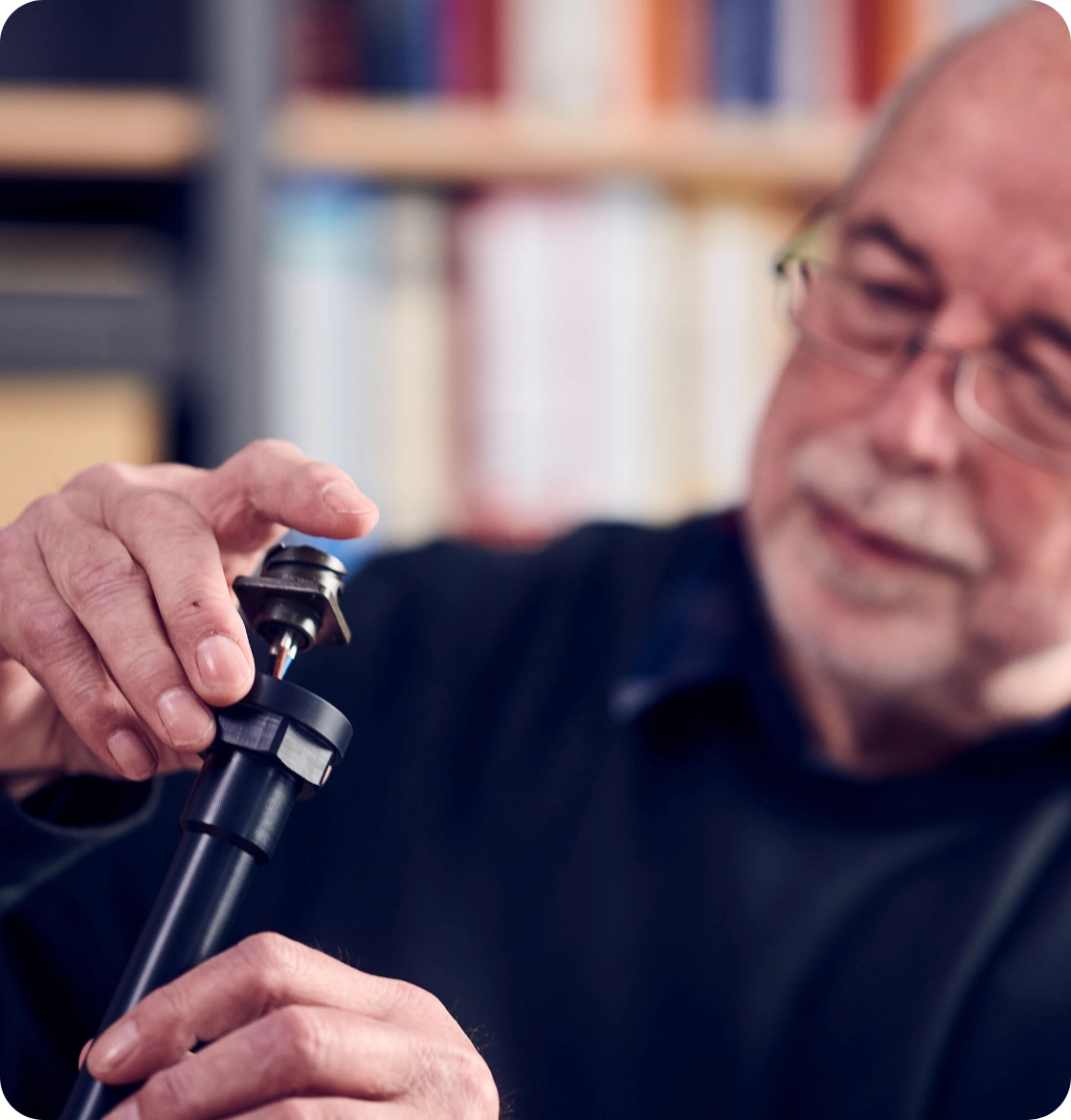
Material Selection for Your Application
Are you looking for a suitable material for your float switch or level sensor solution? hlm elektronik supports you with the initial classification and in selecting a suitable material option for your application.

